
Steel That Shapes Precision: Why DIN 1.2379 is a Global Favorite
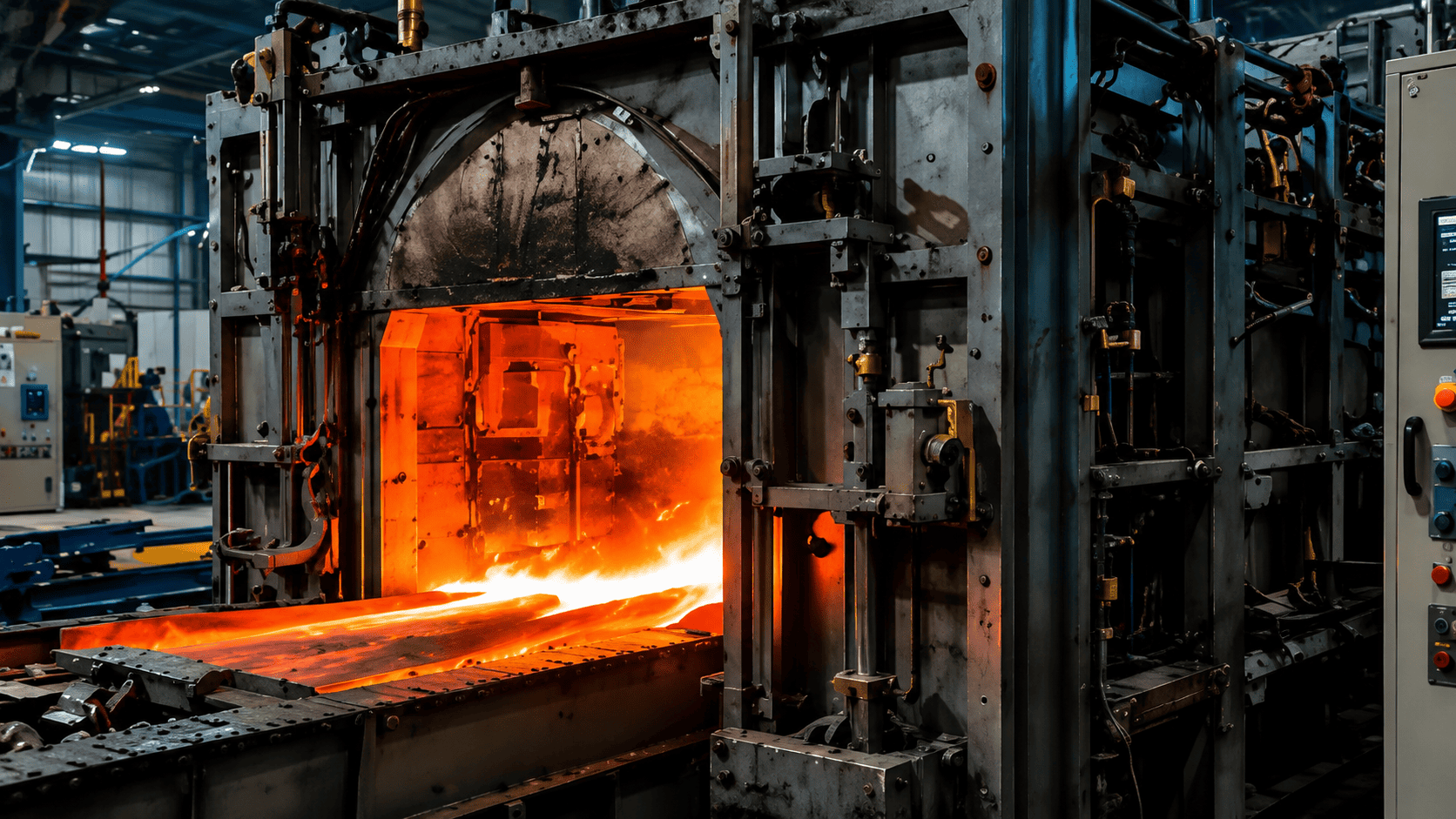
Steel That Shapes Precision: Why DIN 1.2379 is a Global Favorite
Precision is the pulse of modern manufacturing. Whether it’s a stamping die shaping automotive panels, a cutting tool slicing through hardened steel, or a mold producing thousands of identical components, every micron matters. And when precision is non-negotiable, the choice of steel becomes critical.
That’s where DIN 1.2379 cold work tool steel enters the conversation.
Known globally for its exceptional wear resistance, edge retention and dimensional stability, DIN 1.2379 has earned its reputation as a dependable workhorse for cold work applications. At Toolman Special Steels, we’ve worked closely with this grade for decades, supplying it to toolmakers and manufacturers across India, Europe, USA, Japan, Turkey and China.
What is DIN 1.2379?
DIN 1.2379 (equivalent to AISI D2) is a high-carbon, high-chromium cold work tool steel. Its chemistry is engineered to deliver extreme hardness and abrasion resistance, which makes it ideal for tools that operate under intense mechanical stress without exposure to high heat.
What sets DIN 1.2379 apart is its ability to hold a sharp cutting edge for long production runs, even in abrasive environments. That’s why it’s widely used in high-volume manufacturing where downtime is costly.
DIN 1.2379 Typical Composition (% by weight):
|
Element |
Min (%) |
Max (%) |
|
C |
1.4 |
1.6 |
|
Si |
0.10 |
0.6 |
|
Mn |
0.1 |
0.6 |
|
P |
- |
0.030 |
|
S |
- |
0.030 |
|
Cr |
11 |
13 |
|
Mo |
0.7 |
1.2 |
|
V |
0.5 |
1.1 |
The high chromium content promotes carbide formation, which directly contributes to wear resistance and long tool life.
DIN 1.2379 Mechanical Properties After Heat Treatment
DIN 1.2379 is not designed for impact-heavy applications – but where wear resistance and edge retention matter most, it excels.
|
Property |
Value |
|
Hardness (HBW) |
255 max (Annealed) |
|
Quenching and Tempering Hardness (HRC) |
59 min (Annealed) |
|
Poisson’s Ratio |
0.27-0.30 |
|
Impact Toughness |
77 J/cm2 |
|
Tensile Strength |
1860-2060 MPa |
|
Yield Strength |
1600-1800 MPa |
DIN 1.2379 is not designed for impact-heavy applications but where wear resistance and edge retention matter most, it excels.
Physical & Mechanical Properties
|
Property |
Condition / Temperature |
Value |
Unit |
|
Density |
Room Temperature |
7.7 |
g/cm³ |
|
Modulus of Elasticity |
20 °C |
210 |
GPa |
Thermal Properties
|
Temperature (°C) |
Thermal Expansion Coefficient (10⁻⁶/°C) |
Thermal Conductivity (W/m·K) |
|
20 |
— |
20 |
|
400 |
13.8 |
— |
|
500 |
14.1 |
— |
Why DIN 1.2379 Works So Well in Cold Work Applications
Cold work tooling often faces repeated mechanical loads, sharp contact stresses and abrasive wear – without the benefit of elevated operating temperatures that soften material behavior.
DIN 1.2379 thrives here because:
- High carbide volume = superior abrasion resistance
- High hardness = excellent edge life
- Stable microstructure = consistent performance across batches
Common Applications:
- Blanking & punching dies
- Shear blades, slitter knives & tyre shredders
- Cold forming & drawing dies
- Rollers and knives for industrial cutting applications
- Gauges & measuring tools
- High-performance cutting tools
- Stamping and pressing dies
- Woodworking cutting tools
- Drawing and deep-drawing dies
- Shear blades and slitter knives
- Rolls and wear-resistant components
- Gauges and measuring tools
- Plastic mould components
- Tooling for ceramics and pharmaceutical industries
It’s especially popular in automotive stamping, sheet metal processing and industrial knife manufacturing.
Some of the related applications are also discussed in detail in our other technical articles:
- From Forge to Finish – The Steel Behind Premium Knives
- 440B Stainless Steel for Industrial Precision Applications
Need DIN 1.2379 for dies, blades, or stamping tools?
Request a datasheet or quote from Toolman Special Steels.
Heat Treatment & Processing
DIN 1.2379 is typically supplied in the annealed condition (~230 HB) for ease of machining.
|
Process |
Temperature |
Duration |
Cooling Method |
|
Soft Annealing |
820 - 850 |
2-5 hours |
Furnace |
|
Stress-relief Annealing |
600 - 650 |
min 4 hrs |
Furnace |
|
Hardening |
1000 - 1050 |
Group III |
oil, air, WB 500°C |
|
Tempering |
480 - 580 see tempering curve |
min 2 hrs Depending on cross section |
still air |
|
Tempering °C |
HRC |
|
100 |
63 |
|
200 |
61 |
|
300 |
58 |
|
400 |
58 |
|
500 |
59 |
|
525 |
58 |
|
550 |
56 |
|
600 |
51 |
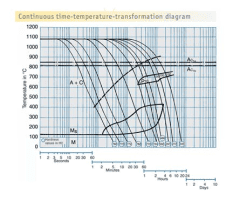
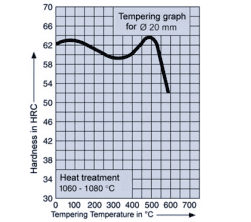
Proper heat treatment is crucial. At Toolman, every batch is processed with controlled cycles to ensure hardness consistency and minimal distortion.
DIN 1.2379 vs Other Tool Steel Grades
Choosing the right tool steel depends on whether the application prioritizes wear resistance, toughness, heat resistance, or dimensional stability.
|
Grade |
Best Feature |
Typical Use |
|
DIN 1.2379 / AISI D2 |
Wear resistance and edge retention |
Dies, blades, stamping tools |
|
DIN 1.2080 / D3 |
Higher abrasion resistance |
Heavy wear tooling |
|
A2 Tool Steel |
Better toughness than D2 |
Impact-sensitive cold work tools |
|
H13 / DIN 1.2344 |
Heat resistance |
Hot work tooling, die casting, extrusion |
|
DIN 1.2367 |
Toughness and thermal performance |
Heavy-duty hot work tools |
Toolman Advantage
Choosing the right grade is only first half of the story and choosing the right supplier is the other half. At Toolman Special Steels, we:
- Deliver DIN 1.2379 in bars, plates and custom sizes
- Provide heat-treated or annealed formats tailored to client needs
- Conduct strict ultrasonic and hardness testing for every batch
- Support global clients with export-ready logistics and certifications
Manufacturing Range
|
Products |
Diameter (mm) |
|
Hot Rolled bar |
8 - 65 |
|
Forged and Turned bars |
65.2 - 500 |
|
Forged Square Bars |
50 - 500 |
Flats
|
Thickness |
Width |
|
6.00 mm - 410.00 mm |
20.00 mm - 700.00 mm |
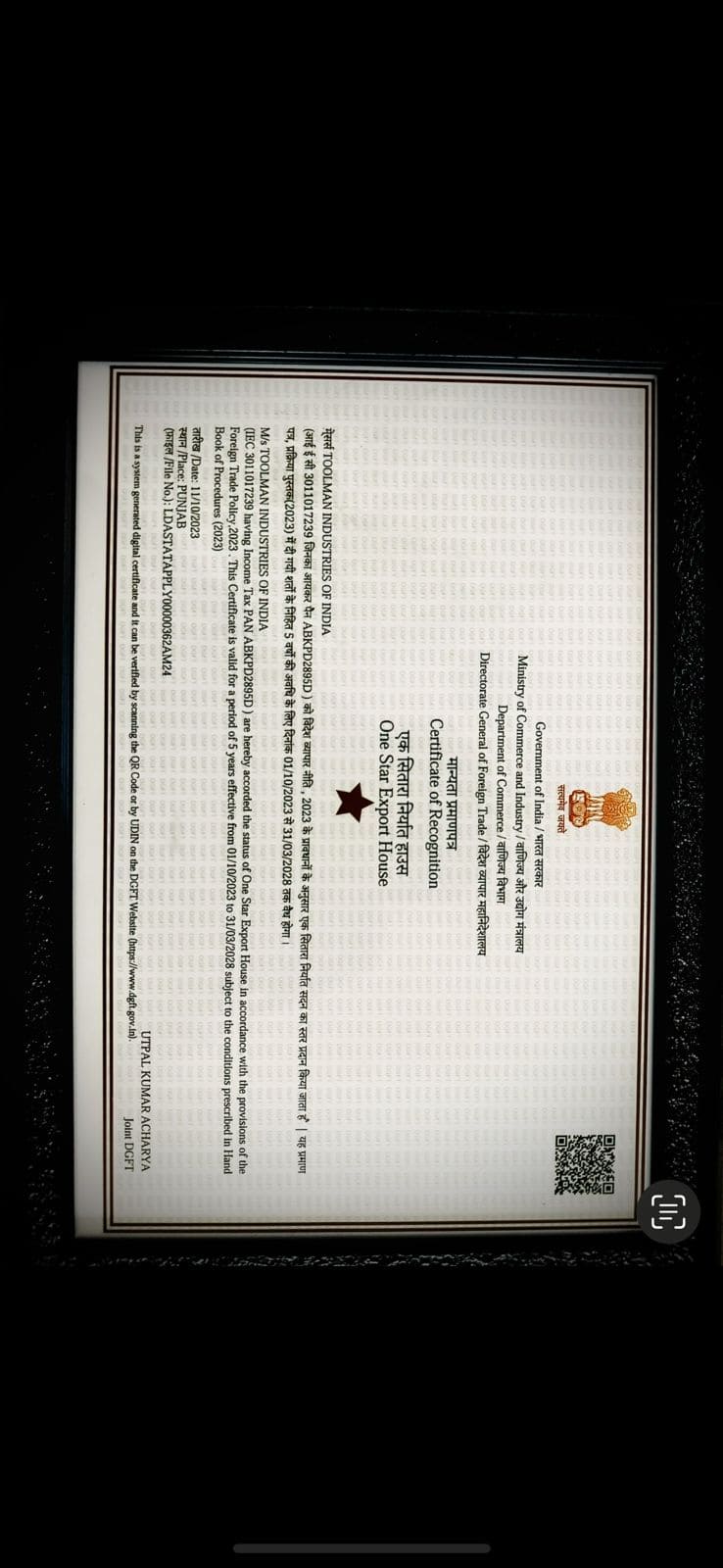
Our reputation as one of the leading DIN 1.2379 cold work steel suppliers comes from decades of commitment (since 1957) to quality, reliability and customer success.
Why Global Buyers Choose Toolman
Over the years, one pattern has stayed consistent: buyers don’t just want steel – they want predictability.
Toolman Special Steels delivers that by offering:
- Decades of metallurgical experience (since 1957)
- Export-ready logistics and documentation
- Technical guidance for toolmakers and OEMs
- Proven supply reliability across global markets
That’s why manufacturers in USA, Europe, Japan, Turkey and Southeast Asia continue to rely on us.
Closing Note
Precision industries don’t compromise and neither do we. Toolman Special Steels continues to deliver DIN 1.2379 with the consistency global manufacturers rely on.
Write to us: indiatoolman@gmail.com
Explore more: www.toolmansteels.com
Download the DIN 1.2379 Technical Datasheet →
(Includes chemical composition, mechanical properties, heat treatment curves & supply range)
Related Grades You May Like
- DIN 1.2080 (D3) – Higher Wear Resistance Cold Work Steel
- A2 Tool Steel - Versatile, Air-hardening, Medium-alloy Cold Steel
- DIN 1.2367 – Tougher Die Steel for Heavy Sections
- H13 (DIN 1.2344) – Hot Work Alternative for High Temperatures
- H11 (DIN 1.2343) – Thermal Shock Resistant Tool Steel
Ready to upgrade? Contact our team today for expert guidance and support.
Contact